
Wedding Day Timeline: A Real Hour-by-Hour Guide
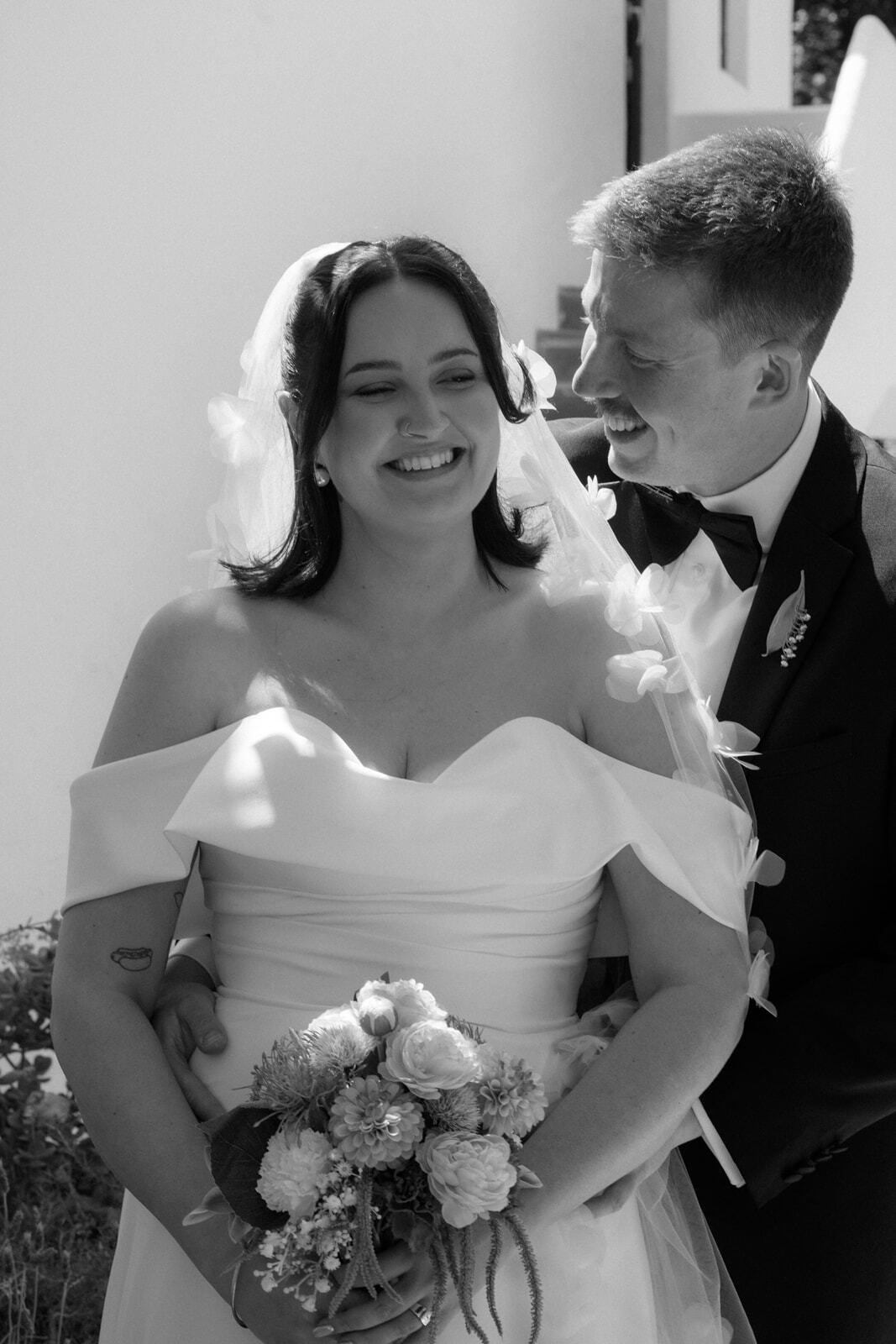
Have you ever wondered what a wedding day really looks like, hour by hour? A well-planned wedding day timeline is what transforms a beautiful event into a seamless and unforgettable experience. Without it, even the most stunning wedding can feel rushed or disorganized.
The key is not rigidity, but flow—creating a structure that allows every moment to unfold naturally while keeping everything under control.
Morning preparations: a calm and intentional start
The way your day begins sets the tone for everything that follows. A well-designed wedding day timeline ensures the morning feels calm, not chaotic.
Typically, preparations begin around 4–5 hours before the ceremony:
- Hair and makeup start early, especially if there are multiple people involved.
- The bride’s preparation should be scheduled toward the end, allowing everything to stay fresh.
- Photography begins during this time, capturing candid and emotional moments.
Allowing extra time here is essential. Rushing in the morning creates unnecessary stress, while a relaxed pace creates space for meaningful moments.
Before the ceremony: anticipation and emotion
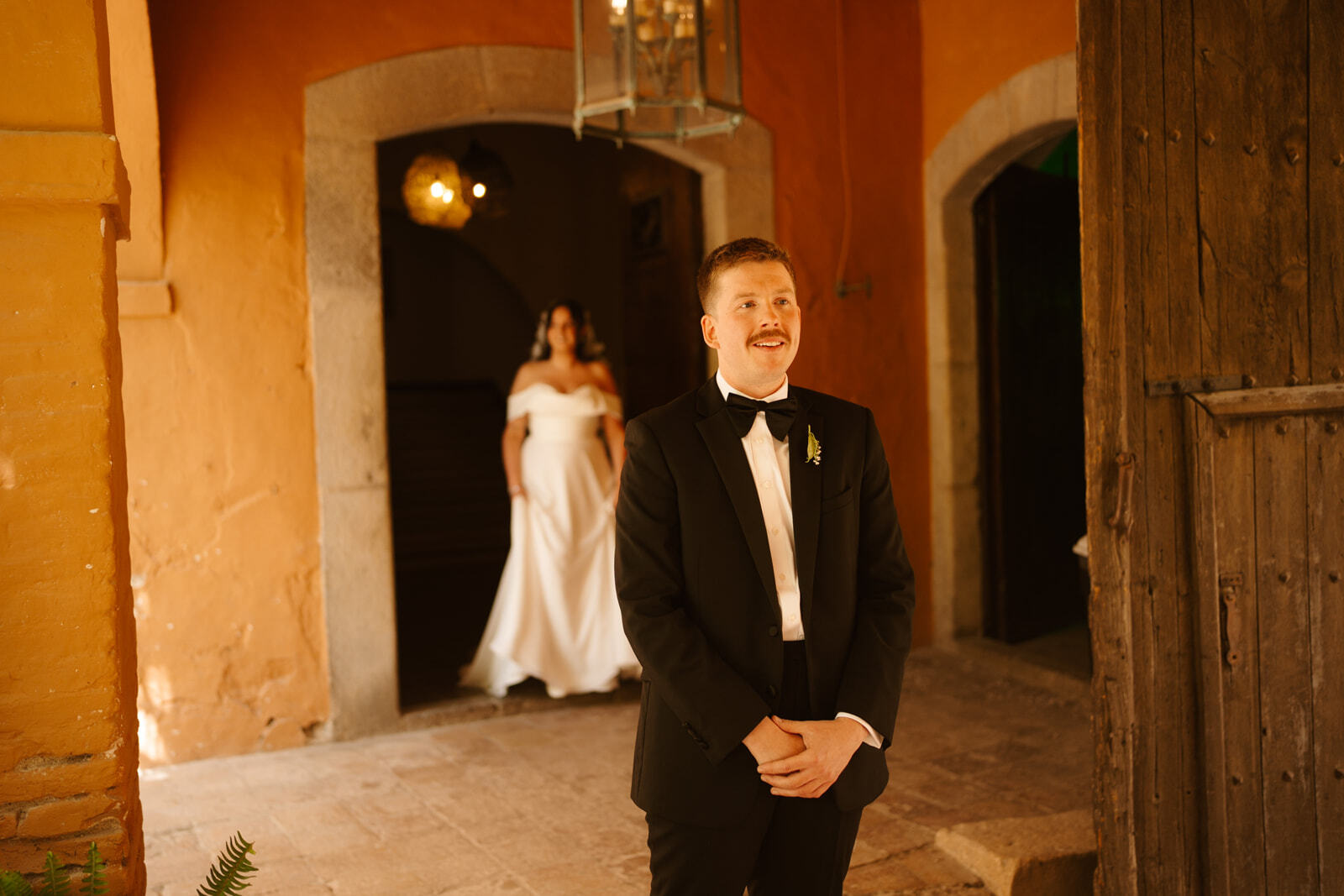
The hours leading up to the ceremony are filled with anticipation. Whether you choose a “first look” or wait until the aisle, this part of the wedding day timeline should feel intentional.
Key elements to consider:
- Final touches and dressing moments.
- Private time for the couple, if desired.
- Coordination of guest arrivals.
- Transportation logistics.
This is not just a transition—it’s an emotional build-up. Giving it the right timing ensures it feels special, not rushed.
The ceremony: the heart of the day
The ceremony is the emotional core of your wedding, and your wedding day timeline should protect this moment.
On average, ceremonies last between 20 and 40 minutes, depending on the type and personalization. What matters most is:
- Smooth guest seating and start time.
- Music cues and coordinated entrances.
- Space for emotion without feeling hurried.
A well-managed ceremony feels natural and deeply personal, allowing every moment to resonate.
Cocktail hour: flow and transition
After the ceremony, the energy shifts. The cocktail hour acts as a bridge between formal and celebratory moments.
During this time:
- Guests relax, socialize, and enjoy drinks.
- The couple usually takes photos.
- The atmosphere becomes lighter and more dynamic.
A strong wedding day timeline ensures this moment doesn’t feel too long or too short—typically 60 to 90 minutes is ideal.
Reception: structure within celebration
The reception is where planning and spontaneity meet. A thoughtful wedding day timeline ensures everything flows while still feeling natural.
Important moments include:
- Grand entrance.
- Dinner service.
- Speeches and toasts.
- Cake cutting.
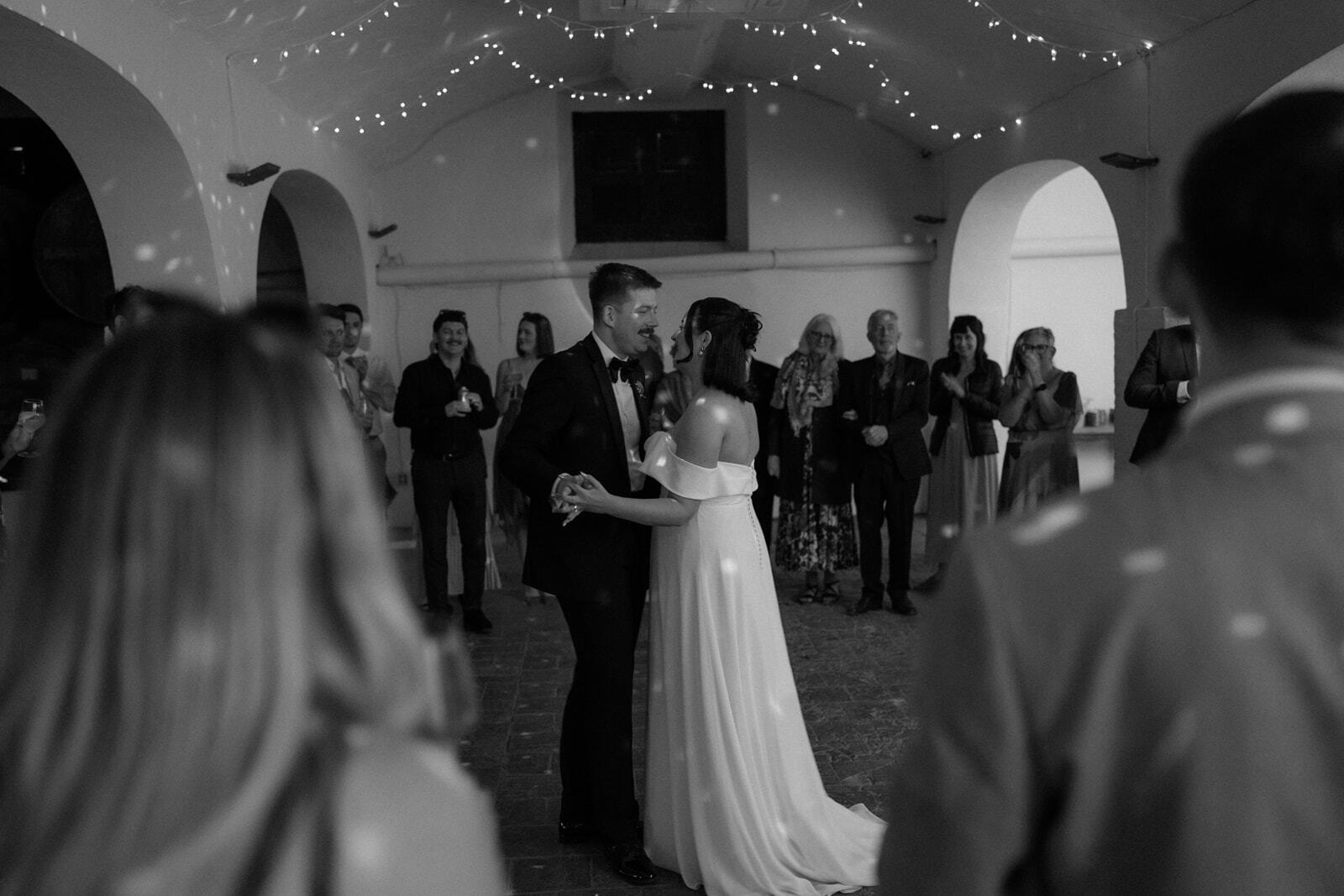
- First dance and party.
Spacing these moments correctly is key. Too many interruptions can break the rhythm, while too few can make the event feel flat. Balance creates an experience that feels effortless and refined.
The final moments: ending with intention
How your wedding ends matters just as much as how it begins. A clear ending in your wedding day timeline gives closure to the experience.
Options may include:
- A final dance.
- A private last moment as a couple.
- A curated send-off.
Ending intentionally leaves guests with a lasting emotional impression, rather than a gradual fade-out.
Where everything flows effortlessly
A well-crafted wedding day timeline is not about strict schedules—it’s about creating a rhythm where everything feels effortless. When every moment is thoughtfully planned, the day unfolds with ease, elegance, and meaning.
At Puro Blanco Bodas, this balance between structure and emotion is at the heart of every celebration. Designing timelines that feel natural yet precise allows each wedding to be lived fully—without stress, without rush, and with every detail perfectly aligned.